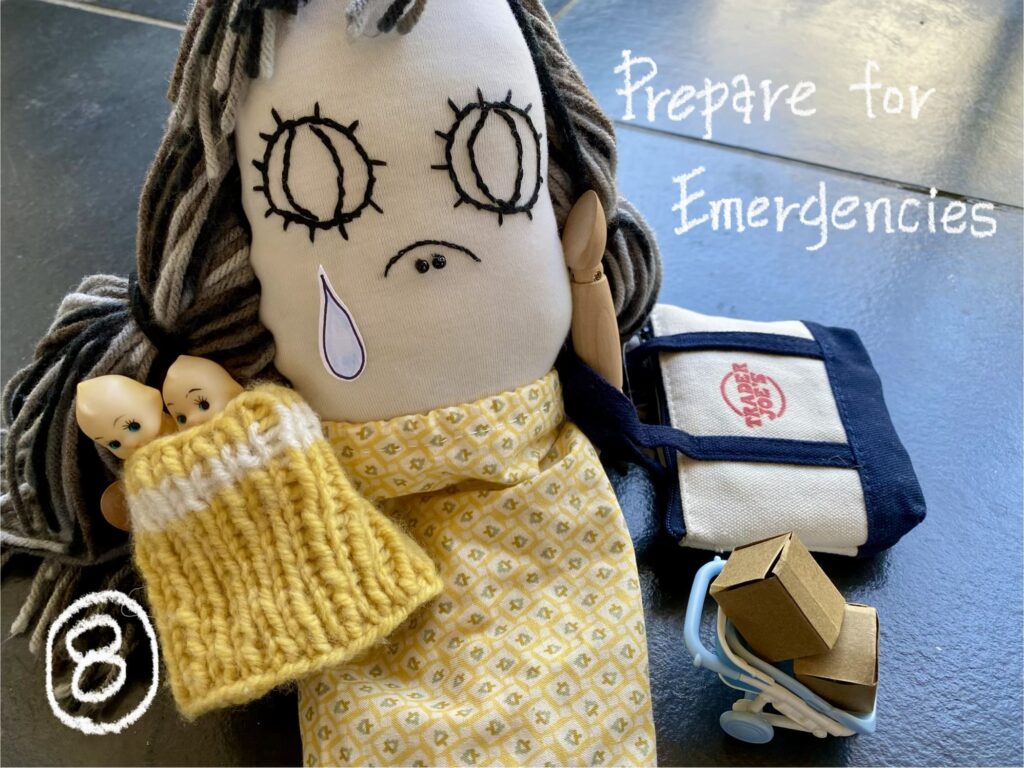
Other than water and food, what else should you prepare?
水と食品以外に何を準備すればいい?
My mom’s bag is already heavy enough. I want to prepare an emergency bag that is as small as possible.
I understand I need water and food in emergencies. Anything else?
I am 9 months pregnant. I don’t think I will be able to carry much, if something happens.
Many people think the most important emergency goods are water and food. They are correct! It is important to start preparing food and water for emergencies. If you are alone, you might get by, but how about with a baby or small kids?
The typical pregnancy period is around 10 months, and taking care of babies and small children can take a few years, or more. We really do need to prepare for emergency situations. Do not assume you will get through these periods without any problems.
If your kids are already big, and you made it this far without any emergency preparations, then you’ve been lucky. But don’t pat yourself on the back; be thankful. If you had gotten into trouble, from a major natural disaster (or the like), you would regret not preparing anything.

What you should know about evacuating with your baby #103.
Preparing water and food for emergencies is pretty straightforward. But for babies, small children, and pregnant women, you sometimes need to “think outside the box” and substitute your specialized items with more general-purpose goods.
What kind of emergency goods do you need to add more of? And what are some viable substitutes?
I recommend more versatile items for emergencies.
What you need more of
There is a lot of information on the internet — lots of lists and ideas — about how you and your baby should prepare for emergencies. Here are some of the best ideas I found, along with a few of my own, for dealing with a long-term emergency.
If you know a lot of alternative uses for your general-purpose goods, you won’t need to panic.
And you will save money building your emergency stockpile for you and your baby.
1. Toilets
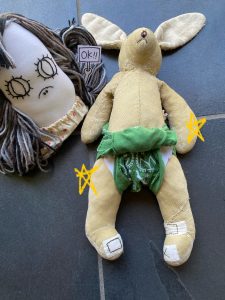
Most people can not hold pee and poop in very long, especially babies and kids. You might think it will be OK to simply prepare lots and lots of diapers. Right? Well, it depends on how long the crisis situation lasts. If it’s too long, you will eventually use up all your diapers.
Please check post #65 about how to make substitute diapers in emergencies.

Baby Diapers
Diapers in an Emergency ( for Babies) #65.
2. Goods for keeping warm
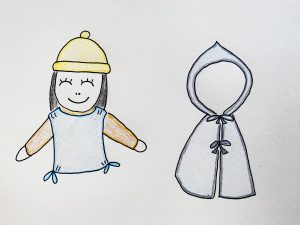
Maintaining body temperature is very important for babies and small kids. All family members need to prepare cold-weather gear, but it will be cumbersome in evacuation bags. Some substitute cold-weather gear will help you in emergencies.

Staying warm
Which Clothes Are Good for Staying Warm in an Emergency? (2) #60.
3. Medications
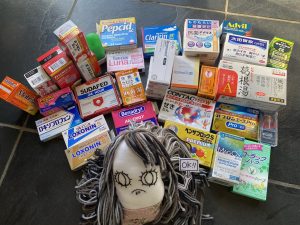
As you know, medication for grown-ups, children, and babies are all different. You must prepare!! You might find medicine for adults more easily than for children because… well, older people tend to have more medicine. But don’t forget about the kids!
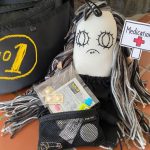
Medications
Preparing Medications for My Emergency Stockpile (1)
#53.
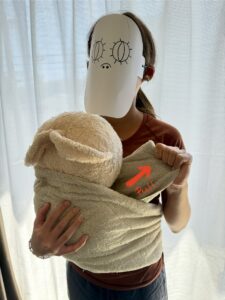
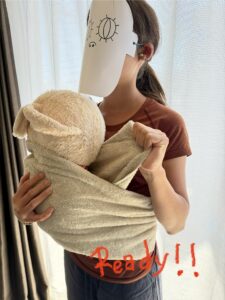
4. Baby sling carrier
In an emergency, you might not be able to use a stroller because of rubble, flooding, broken elevators, etc. You may have to evacuate with your baby on foot. If so, it’s good to have free hands, and a baby sling carrier will be a big help.
If you have an extra baby sling carrier in your home, you should set it up near the entrance, so it’s easy to grab it for an evacuation.
Actually, you don’t need to buy an extra baby sling carrier just for emergencies.
There are alternatives to the baby sling carrier.
Please keep these techniques in mind.
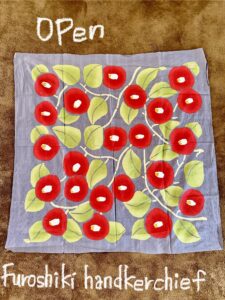
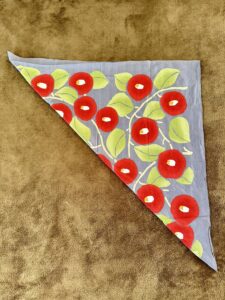
★Use a big handkerchief, bath towel, bed sheet or any large piece of fabric in your home.
For all of these techniques, pay close attention to your baby. Make sure they are not being squeezed too tightly, and make sure they are not going to fall out. These methods may not be appropriate for everyday, but keep them in mind for emergencies.
Use a bath towel.

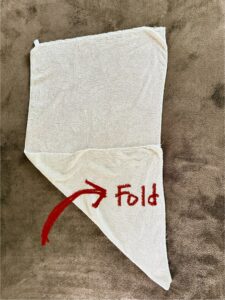
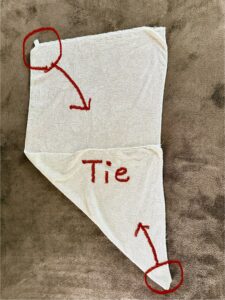
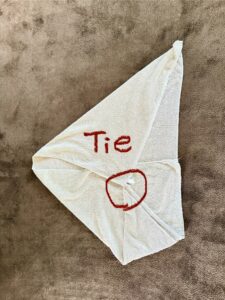
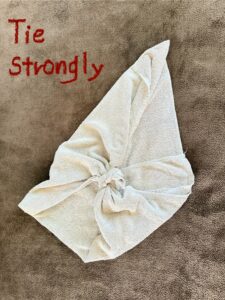
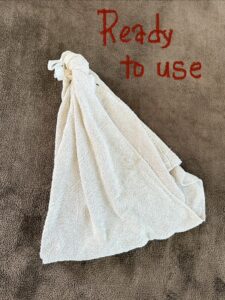
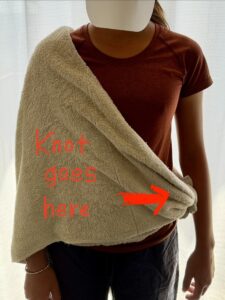
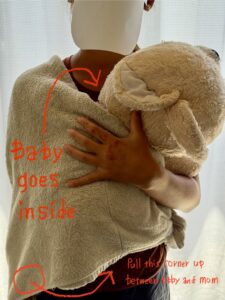
Use a Furoshiki Handkerchief.
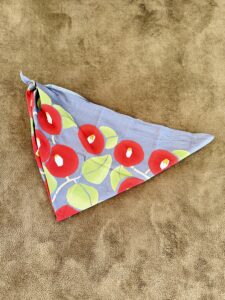
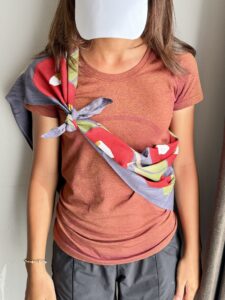
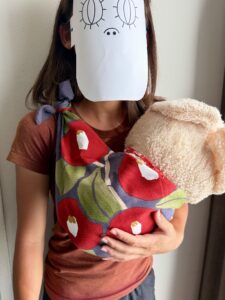
★ Use your oversize clothes or jackets, and a belt or rope.
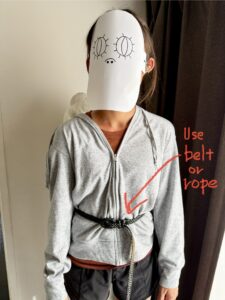
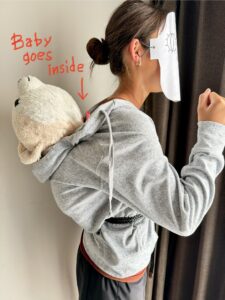
This technique depends largely on the size of your child and the size of your jacket. This approach is not recommended for babies that can’t hold their heads up yet.
★Use a big tote bag or backpack.
Use a big tote bag.
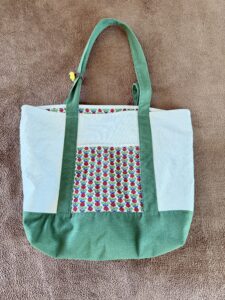
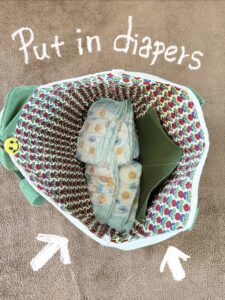
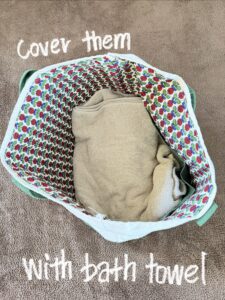
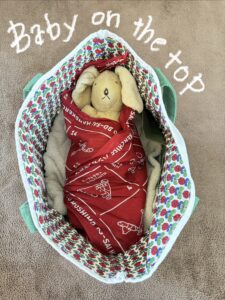
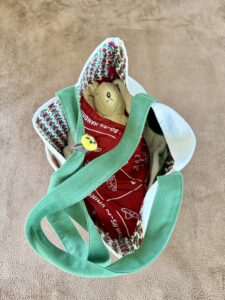
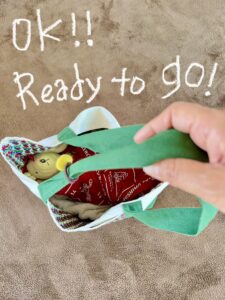
You can put more baby diapers and clothes in the bag.
Use a backpack.
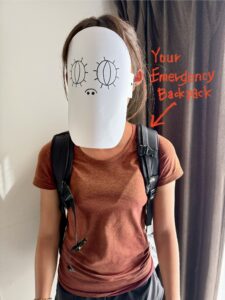
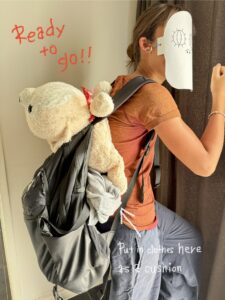
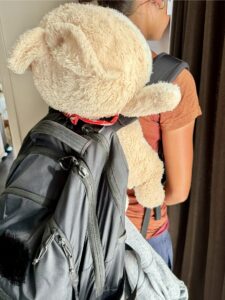
This technique is for 6 months or older, because the baby’s neck needs to be strong enough to hold their head up straight, by themselves.
Remember
After a major disaster, small kids will be scared, and their behavior may suddenly change. They might be not able to do the things they did before, in daily life. For instance, they may stop walking, they might forget their potty skills and pee their pants, they might stop eating, or a toddler might regress and act like a baby. These are just a few examples of behavioral changes to look out for.
As a parent, you have to understand where they’re coming from and support them. (If you threw away all of your diapers because your child successfully potty trained, but then they regress and suddenly need diapers again, don’t stress. There are alternatives.)
If you run out of an item, don’t panic.
Put on your thinking cap and think of a substitute. You can do it!
You must carry your emergency bag and your baby’s emergency bag during an evacuation. Substitute items will help lighten the load and will help prevent your emergency stockpile from overflowing. Please try it.
See you next time.
Remember, “Protect your life by yourself” (自分の命は自分で守る). You need to survive first, and then you need your emergency supply. No matter how well you prepared your emergency supplies, if you die, then all of your preparations will have been for nothing. First and foremost, keep your health up all the time. Build your stamina so that if you need to, you can evacuate as quickly as possible. Stay healthy.
