
What kind of situations will pets and owners have in emergencies?
災害時にペットと飼い主はどんな状況になる?
I have a small dog. I’ll just carry her in an evacuation, right?
Both of my dogs are very quiet, and they never bite. I know they would be OK staying with strangers in an emergency shelter!
I don’t know if I’ll be able to find my cats after a big earthquake. I’m worried they’ll run away and hide.
Keeping an animal as a pet is a responsibility for the animal’s entire life. Pets may bless you with many days full of peace, companionship, and joy, but in the midst of a major disaster, that responsibility can become a burden.
Do you know how many people have pets in your neighborhood?
As a pet owner, you should know that your neighbors can become your competition after major a disaster. It can be difficult to keep your pet in a small evacuation shelter, along with other people who don’t have pets. Human life is the top priority during evacuations. Most evacuation shelters will prioritize people over pets. So…
Which animal is a lower priority?
Dogs? Cats? Birds? Hamsters? Turtles? Lizards? Snakes? Fish? The list goes on. Everybody loves their pets.
How about farm animals?
Horses? Cows? Pigs? Sheep? Hens? etc. And how about larger animals, like the ones at the zoo?
Can you ignore an animal in danger?
Emergency preparedness is extremely important for protecting the lives of animals. When you become a pet owner, you must do everything you can to protect your animals, all the time. That means being prepared.
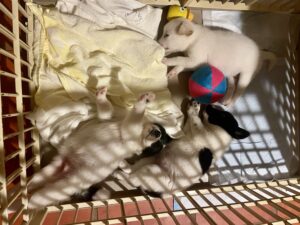
What happens to your pets in a major disaster?
1. Left behind
▪︎ Some disaster victims leave their pets behind, out of necessity. They do this for the sake of their own survival. It must be an unbelievably difficult thing to do. It’s heartbreaking even to think about it. And even more tragically, some people return to the disaster area, to rescue their pets, and lose their lives..
▪︎ Some pet owners believe that they will be able come back home after a few days. So, they leave a few days worth of food and water for their pets, and evacuate without them. In some cases they make it back, but in other instances… they do not. Sometimes the pets are OK, but other times they die or disappear.

▪︎ Some people risk their own lives, rather than leave their pets behind. They refuse rescue boats and helicopters, and sometimes they die with their pets.
▪︎ Some owners release their pets to give them a chance of survival. Owners leave a door, or a window open, so their pets can escape and fend for themselves.
Think about a big snake escaping from its cage. Or a cow? A horse? …in your neighborhood.
Is it safe to come back home, even after the crisis stabilizes and the dust has settled?

2. Hard to evacuate with pets
▪︎ After major disaster, would you be able to walk with your pets, for long distances, without any help? How about in extreme weather or under hazardous conditions? For example: wading through flooded streets, climbing over piles of rubble, fleeing a firestorm, or trudging through heavy snowfall, to name a few. You might also need to carry emergency bags and maybe small kids.
Small dogs’ bodies are very close to the ground.
If your terrain is hot asphalt or frigid ice, small animals will have a hard time even walking, exposed to the elements.

▪︎ Rescue workers might not allow evacuees to bring their animals in rescue helicopters, boats, and buses.
▪︎ Someone offering help might be willing to help a person in need, but not their pets. It’s not because they hate animals, it’s because they prioritize human life. If resources are limited, people have to make tough choices.
▪︎ If a pet’s owner has a disability or illness, they will have their own problems to deal with first.
3. Problems staying in an emergency shelter with pets
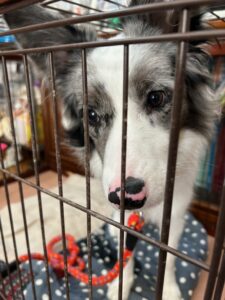
Some evacuation shelters will not allow animals, outright. Most shelters in the United States will allow a service animal, but generally, emotional support animals and pets will be prohibited entry. You might not be allowed inside with your pets. Mainly this is for human safety and because of limited resources. Specifically:
▪︎ Animal allergies: To protect people with animal allergies, many shelters will ban pets.
▪︎ Zoonotic disease: Prohibiting pets in the shelter will reduce the risk of zoonotic disease outbreaks. Zoonotic diseases are caused by pathogens transmitted from animals to people.
▪︎ Animal bites: Bite wounds can be quite serious and require immediate medical attention. During a disaster, relocated to an unfamiliar setting, under duress, animals will be stressed out, afraid, and possibly hungry. It’s not only humans that have mental problems. In a crisis, evacuation shelters will have limited medical support.


▪︎ Vaccination status: Most evacuation shelters that do allow pets will confirm each pet’s vaccination status upon entry. This is for public health reasons. Without the proper paperwork, your pet may not be allowed inside. Please keep this in mind.
▪︎ Limited space: House pets need physical space, just like people do. And they need to go to the bathroom.
▪︎ Limited staff: Shelters are often understaffed, especially during dire emergencies. Workers, who are often volunteers and perhaps struggling to recover themselves, may not want to deal with the additional risk and effort required to safely care for animals.
▪︎ Shelters want to help as many people as possible. They are aware that some people might avoid a shelter if they know they will have to share the space with animals.
Some pet owners give up on staying in a shelter, and decide to stay in their own car. This is sometimes a viable option, but beware economy class syndrome.
4. Relief supplies for pets
▪︎ Relief supplies for humans is the top priority in emergency situations. Expect supplies for animals to be delayed, limited, or entirely unavailable.
▪︎ Some evacuation shelters will make space available for animals, outside of the main building.
▪︎ Picky pets might not eat relief supply food.

▪︎ There are lots of different kinds of animals that people keep as pets. It would be hard for anyone (short of Noah on his Ark) to set up food and supplies to accommodate every animal.
▪︎ Each animal has its own sanitation requirements. It’s hard enough to set up toilets for people after disasters. What are your pets’ requirements?

What do you need to do?
⚠️
Prepare!!
Nowadays, pet populations continue to increase. Evacuation shelters are not properly equipped to handle all of our animals, after a natural disaster, a catastrophic event, or an act of war. People with pets need to take this seriously and prepare. After the big one, only you can protect your own pets.
I will post about pet emergency evacuation plans, next time. Please check it out.
See you next time.

Remember, “Protect your life by yourself” (自分の命は自分で守る). You need to survive first, and then you need your emergency supply. No matter how well you prepared your emergency supplies, if you die, then all of your preparations will have been for nothing. First and foremost, keep your health up all the time. Build your stamina so that if you need to, you can evacuate as quickly as possible. Stay healthy.

If you like, please check from post #1.
More Goriyama Posts