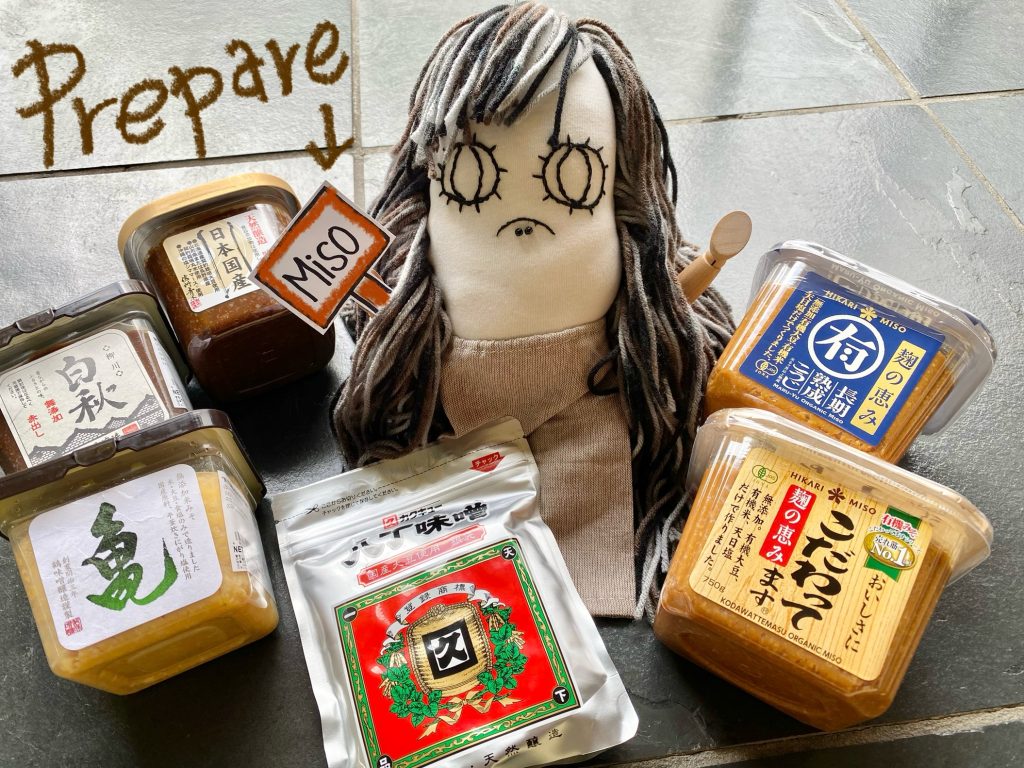
How good is miso paste for our long-term stockpile?
どれだけお味噌が長期備蓄に良いのでしょう?
I don’t know anything about miso paste…
I have had miso soup before, but I have never seen miso paste…
Are there other ways to use miso paste, other than for miso soup?
You must have heard of MISO once too, haven’t you?
Japanese people love miso, and it is deeply rooted in Japanese life. Have you ever met a Japanese person who doesn’t like miso soup?
You might even see Japanese people carrying instant miso paste when travelling overseas, we love it that much. I think each country has its own food that people love to eat every day.
If I can not drink miso soup, then I miss it.
It’s like during the summer, you miss the winter.
What makes miso so fascinating? And why it is good for your emergency stockpile?
This post follows post #19 : 16 emergency stockpile foods.

The 16 food items in my long-term stockpile
Which foods are good for your long-term emergency stockpile? #19
What is miso?
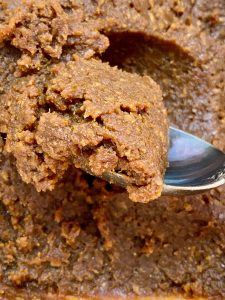
Miso paste is a traditional Japanese seasoning made from fermented soybeans, salt, and koji (a type of fungus cultivated on rice and other grains). The mixture is aged for months or even years. Miso has a complex flavor profile, which can vary depending on a range of factors. It can be described as salty, umami, sweet, savory and rich or intense. The key variables that affect the flavor of miso include the type of koji, the amount of salt, the duration of fermentation, temperature, and the fermenting vessel used.
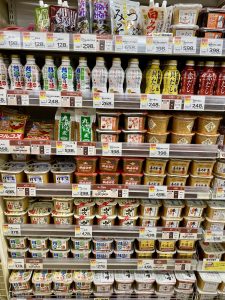
There are more than 1,300 types of miso in Japan, which vary in flavor, aroma and color, depending on where they are made, the combination and proportion of ingredients, and length of fermentation. Since miso is made in various regions across Japan, each with different soybeans, unique weather condition, varied consumption habits and distinct making methods, it’s no wonder there are so many types of miso.
Generally, miso is categorized into three main types, based on the proportion of soybeans, fermentation time, taste and color.
★ Red miso (Aka miso): fermented longer and with a higher percentage of soybeans than white and yellow miso, red miso has a deeper, richer flavor.
★White miso (Shiro miso): fermented the shortest amount of time, and has a milder, sweeter flavor.
★Yellow miso (Shinshu miso): ranges in color from yellow to light brown and is fermented slightly longer than white miso. It has an earthier, more acidic, and sweeter flavor than red miso.
Here is more information about miso by the Umami Information Center. Please check it out.
These are the health benefits of miso.
- It contains essential nutrients: proteins, fiber, vitamins (K and B), minerals (manganese, zinc and copper) and antioxidants.
- It’s rich in gut-healthy probiotics which enhance digestion and improve immune function.
- It helps reduce the risk of breast, lung, prostate and colon cancer.
- It protects against radiation poisoning.
- Anti-aging properties: vitamin E, amino acids, saponin and isoflavone (which also have antioxidant effects).
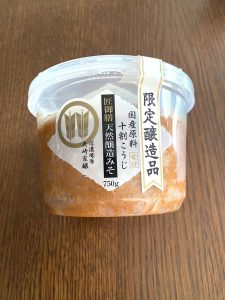
We have many miso-related proverbs in Japan. For example:
- “Miso kills the doctor” (味噌の医者殺し). It means that if you eat miso, you don’t need a doctor. It’s like the Japanese version of “an apple a day keeps the doctor away.”
- “Spend money in miso shops rather than spending money on a doctor.” Again, eat miso and you won’t need a doctor.
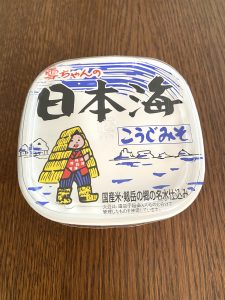
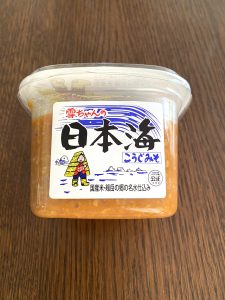
💡
Miso paste gives us a number of simple ways to eat a wide variety of foods. I strongly recommend you get miso paste for your long-term stockpile. Miso will help you stay healthy.
Which miso did I pick up?
I picked up miso with these criteria in mind.
- Simple ingredients, such as soybeans, salt and rice koji.
- No added alcohol.
- Long fermentation time in a wooden barrel. (Longer fermentation means more natural umami flavor and less likelihood that MSG, sugar, or other flavoring will be added.)
- No pasteurization. Often, after a short fermentation, miso will be heated to increase shelf-life, but this process kills all the good bacteria and enzymes. Similarly, when making miso soup, be careful not to boil your miso paste, or you could lose the health benefits of the miso.
- No reduced salt.
- No added sugar.
Hatcho Miso
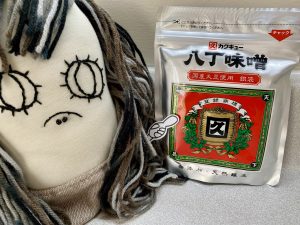
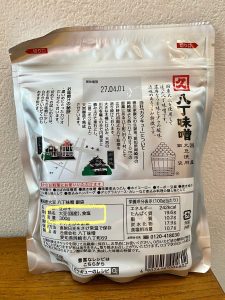
Hatcho Miso everything that I want, and nothing that I don’t want.
This miso is already in a mylar bag, and it’s just right size for my long-term stockpile.
And above all, it tastes really good.
Hikari Miso
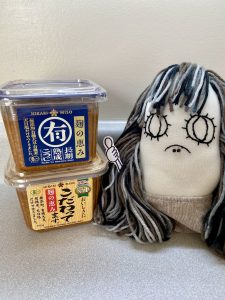
I can buy Hikari Miso at stores in the U.S., and it has a very simple list of ingredients.
Tasty too!
How to store
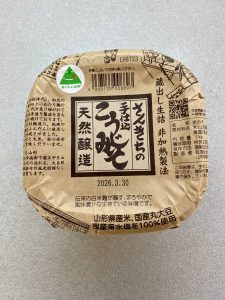
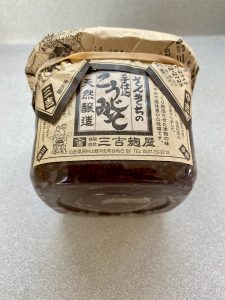
Unopened miso paste does not go bad, and it will last indefinitely if stored in a cool and dry place. The high salt content in miso, which acts as a preservative, ensures that the miso stays fresh for an extended period. Be aware however, miso is a fermented food that evolves over time. As time passes, miso paste’s color will become darker, but don’t be alarmed. It’s completely natural, and usually the aging process enriches and thickens the flavor.
Things to Remember
▪︎ Keep your Miso in a cool, dark place. No heat and no direct sunlight.
▪︎ Please do not forget that before eating long-term stockpile foods, absolutely check the foods’ appearance and smell. Trust your five senses. Eat them at your own risk.
Miso is not only for miso soup, we can also…
- Eat miso paste directly off a tea spoon as a supplement. I sometimes suck miso paste after a day in the sun, to protect from heat stroke.
- Use miso paste as a dip with raw vegetables. So simple, and so good!
- Put it on top of rice.
- Spread miso paste on a rice ball, grill it, and eat.
- Drop a teaspoon of miso paste into a cup, pour hot water over it, and drink it. This is a quick easy way to make miso… um, tea. (Yes, technically, you could call this miso soup.)
In emergency situations, we will not have a lot of extra time for cooking. With miso, we can make soup with whatever we have available, whether it’s vegetables, proteins, tofu, etc. Miso paste gives us a number of simple ways to eat a wide variety of foods. I strongly recommend you get miso paste for your long-term stockpile. Miso will help you stay healthy.
See you next time.
Remember, “Protect your life by yourself” (自分の命は自分で守る). You need to survive first, and then you need your emergency supply. No matter how well you prepared your emergency supplies, if you die, then all of your preparations will have been for nothing. First and foremost, keep your health up all the time. Build your stamina so that if you need to, you can evacuate as quickly as possible. Stay healthy.
