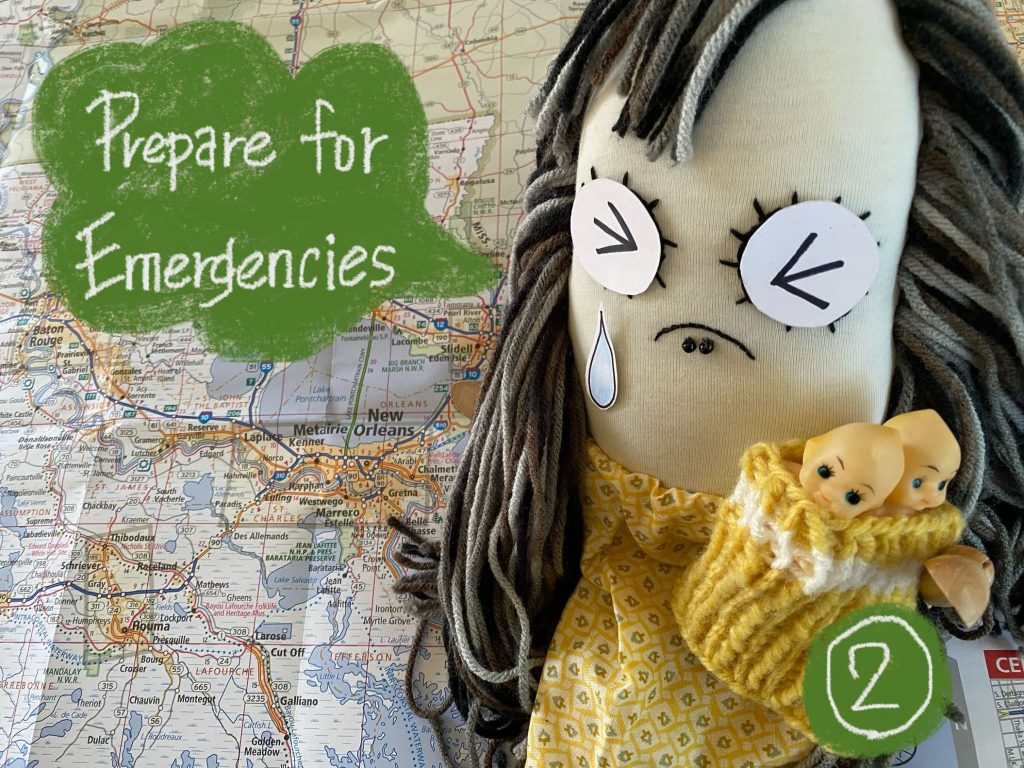
How you should prepare for evacuation, with your baby.
I am 8 months pregnant.
I am busy getting ready to have my baby, so I don’t have time to think about disasters, right now.
I have no idea how to evacuate from a major disaster with my baby and pregnant wife….
I hope my neighbors will help me??
Before their new baby is born, most moms will be busy. They will be excited and anxious, thinking about their new life that is about to start, and they can’t predict what will happen. Even after the baby is born — during their second pregnancy with a toddler in tow, with an infant and toddler, or with small children and a dog perhaps — how much time do moms spend thinking about disaster prevention? During the super crazy, uncontrolled time taking care of children?
I couldn’t.
I was lucky I didn’t get caught in any major disasters, during that time.
Just lucky…
Moms need to get their information from somewhere, and they may need help preparing for emergencies..
Have you ever talked about disaster prevention with your obstetrician-gynecologist, pediatrician or nurse?
I did not.
I never once thought about disaster prevention, not during my pregnancies,
and not with growing babies.
Asking my doctor? I never thought about it.
After major disaster, there is no guarantee you will be able to see your doctor (or any doctor, for that matter). I know that many medical professionals don’t want pregnant women and baby mamas to get stressed out by discussions about unpredictable events and disasters. Also, medical professionals might not be sure themselves, how best to prepare for emergencies. You should ask them, but also you should plan and prepare, by yourself, as much as possible.
If you didn’t read my previous post # 103, please check it out.
This post you’re reading now is a continuation of my previous post.
First things
Consider these points.
1. Talk with your doctor and other medical professionals to learn how they can help after a major disaster.
Be careful. Do not assume that all medical professionals know how to take care of pregnant moms and newborn babies. They are not necessarily capable just because they have a license. If a medical professional has never been involved in obstetrics or pediatrics, they might not have good information for you. It is important to look into this.
Here are two examples of questions you can ask.
What should you do if your baby’s head is crowing during a disaster?
If you give birth outside of a hospital, what should you do with the umbilical cord, immediately after the delivery?
The answers you get may surprise you…
It would have been good to have a midwife in your neighborhood, like 100 years ago. Unfortunately, it’s hard to find midwives nowadays, except perhaps in hospitals or clinics. And of course, most midwives don’t advertise where they live.
If you are lucky, you might find a neighbor who is a midwife. Your doctor might also have leads on delivery experts in your area. Keep an eye out.
2. Figure out where the nearest hospital and fire station are, in your neighborhood.
Make sure you know where a hospital or fire station is, preferably within walking distance from your home, so you can ask for help in an emergency. During a major disaster — imagine — you might have to evacuate empty-handed, at night, in a blackout.
If you know where the nearest hospitals and fire stations are now, you will be in a better position to get help, in an unexpected emergency or major disaster. At least until your baby is born, you need to be prepared.
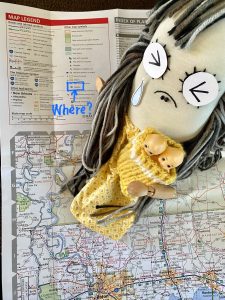
3. Let the people in your neighborhood know you are pregnant or have a small baby.
After a recent, major earthquake in Japan, many people were rescued by their neighbors, before government operations could provide assistance. Do not forget that your neighbors are the closest people, and they can help.
If nobody knows you, nobody will rescue you.
If your neighbors know you are expecting or that you have a small baby, they will go out of their way to help you, and they will prioritize your well-being. It can be difficult, sometimes, to keep communicating with neighbors. Many people don’t want to be bothered. But it’s time to reach out, socialize, and participate in neighborly activities, for the sake of emergency preparedness and for your baby.
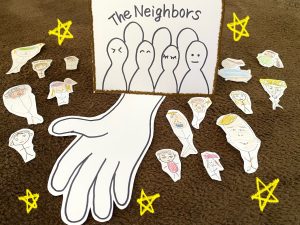
4. Cooperate with people who are in the same situation as you: pregnant or with a small child.
If you know someone who is in the same situation as you, that person can be a valuable resource for you, and you for them. You can share baby goods with one another and share helpful information. During hard, stressful times, a little empathy goes a long way.
In a worst-case scenario, you might have to find a wet nurse for your baby. It’s very rare now, but before baby formula was invented, in many places wet nurses were the norm. If formula is unavailable, it could be necessary for survival.
It’s OK if you don’t become some other mom’s absolute bestie, but if there’s someone in your neighborhood who fits the bill, it would be good to be “a familiar face”. At least become acquainted.
I used to go to the park near my home just to watch other moms.
Is that weird? No, no, no!! I think it’s OK.
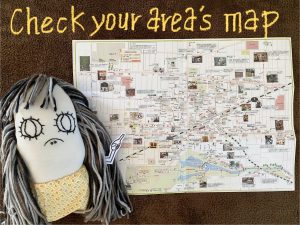
5. Study the map of your area and learn the evacuation routes.
Do not be as a tourist in your own neighborhood. What I mean by that is, really know your area. Be a part of it. Don’t merely drift along like a visitor. Check your area’s map. Where is the hospital? The fire stations? Find the safe places and learn where the evacuation shelter will be set up.
When you’re with your baby or small kids, can you use your cellphone to check the map without interruptions? Do your research beforehand. You need to be able to evacuate as quickly as possible, and at the same time, you will need to manage your baby and your bags. Do not forget that.
⚠️
“It was not expected.” Don’t assume that you can get help from anyone in emergency situations.
From the outside, the pregnancy and child-rearing time spans look very short. Everybody always says, “the time goes by so quickly!” But actually it takes a very long time. Most people, parents especially, can not think clearly during a super-crazy crisis. Learn the important information, before you really need it. When you come across any kind of important, emergency-related information, secure it in your mind and remember it.
I hope my blog helps.
Please check my next post. I will continue talking about preparing for emergencies during pregnancy and with a baby.
See you next time.
Remember, “Protect your life by yourself” (自分の命は自分で守る). You need to survive first, and then you need your emergency supply. No matter how well you prepared your emergency supplies, if you die, then all of your preparations will have been for nothing. First and foremost, keep your health up all the time. Build your stamina so that if you need to, you can evacuate as quickly as possible. Stay healthy.

Pingback: Disaster Preparedness for Pregnant Women and Small Babies, Part 1 #103 – Goriyama